




Finance can trust the COGS line
Batch history covered the sales, FIFO had a cost for nearly every unit, and the P&L reflects inventory that actually moved.
NeonPanel turns landed costs into sale-time COGS journals. Every unit sold draws its batch cost via FIFO, posts revenue and COGS together, and keeps a COGS Quality score so finance can see where supply-chain gaps understate the books — for any sales NeonPanel processes, not Amazon alone
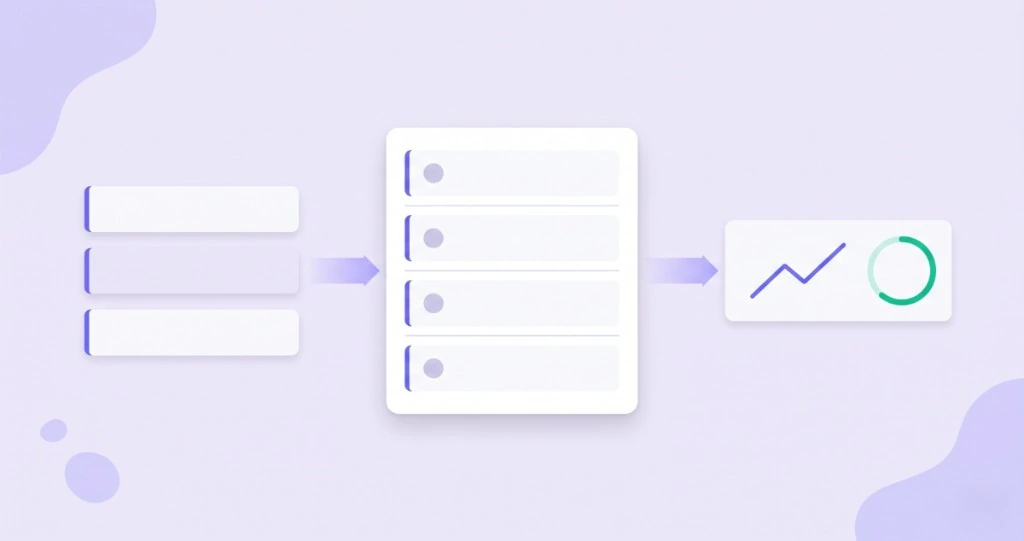












Automatic COGS is the handoff from inventory economics into the general ledger. Landed costs stay attached to every unit; sales consume those units in FIFO order; the books receive a journal that recognizes revenue and COGS together.

Purchase orders, freight, duty, and prep feed automatic landed-cost allocation onto each receipt batch — so inventory carries a cost basis finance can defend. See Landed Cost Management.
When units sell, NeonPanel matches them to the inventory batches they consume in true FIFO order — the costing method accountants expect, not a blended SKU average.
Each sale produces journal entries that recognize revenue and the matching COGS — then sync to QuickBooks or Xero as real postings, not a side estimate.
Most connectors stop at revenue sync and leave COGS for month-end cleanup. NeonPanel posts both sides when the sale happens: debit COGS, credit inventory at the FIFO batch cost, and recognize revenue on the same operational event.
That keeps gross margin current between closes — and leaves a trace from marketplace order to batch to journal line when controllers or auditors ask.

Automatic COGS covers every sale NeonPanel processes — Amazon, Shopify, TikTok Shop, and the rest of your multi-channel ledger — into QuickBooks or Xero. Channel changes the settlement shape; FIFO recognition does not.
If you need the upstream economics — freight, duty, prep, and shipment-batch allocation that feed these journals — start with Landed Cost Management. This page is the GL handoff once that cost basis exists.
Amazon, Shopify, and TikTok Shop sales feed the same FIFO COGS engine — with real journal sync into QuickBooks or Xero.

COGS Quality shows how much of your sold volume NeonPanel could cost from complete batch history — and where gaps left cost undetermined. Controllers and executives get a direct read on supply-chain data quality, not a guess after close.

Batch history covered the sales, FIFO had a cost for nearly every unit, and the P&L reflects inventory that actually moved.
NeonPanel shows roughly by how much via Lost COGS — a supply-chain data gap signal, not a silent margin fiction.
Settlements and fulfillment drive matching COGS posts so the P&L stays current ahead of margin reviews — without quarter-end rebuilds.
Sold units trace to receipt batches and the landed inputs behind them — freight, duty, prep, and supplier invoices, not one averaged SKU rate.
Postings tie to orders, batches, settlements, and cost inputs so finance can explain gross margin line by line.
Automatic COGS is the GL handoff inside Accounting & Finance. Inventory Management and Landed Cost Management supply the batch cost basis; this page is where those costs become journals in QuickBooks or Xero.
What Automatic COGS contributes to the close
COGS resolution follows your inventory setting: Essentials posts from PO-level averages; Professional posts from shipment-batch FIFO. Compare Essentials vs Professional →
No. NeonPanel posts FIFO COGS for any sales it processes — Amazon, Shopify, TikTok Shop, and other connected channels — into QuickBooks or Xero. Amazon is a common starting point, not the limit of the engine.
Landed Cost Management allocates freight, duty, prep, and supplier costs onto receipt batches. Automatic COGS consumes those batch costs when units sell and posts the COGS journals. Upstream economics live on Landed Cost Management; this page is the general-ledger handoff.
NeonPanel matches each sale to inventory in true FIFO order. Units draw from the oldest open receipt batch first, carrying that batch's landed unit cost into COGS — the method accountants expect, not a blended SKU average.
COGS Quality reporting shows how much of your sold volume NeonPanel could cost from complete batch history versus Lost COGS — sold units where cost could not be determined because supply-chain data was incomplete. A high score supports confidence in the books; a low score signals that costs are understated and roughly by how much.
NeonPanel still processes the sale, but units without a findable batch cost contribute to Lost COGS. That amount is visible in COGS Quality so finance knows the books understate cost until the gap is closed — rather than silently presenting incomplete margin as fact.
Yes. NeonPanel posts real journal entries — revenue and matching COGS — into QuickBooks or Xero. Controllers get ledger lines they can reconcile, not an emulated report layer beside the books.
Connect your channels, let NeonPanel cost inventory from your documents, and post FIFO COGS journals into QuickBooks or Xero with every sale.